Actors and Narratives
What are the narratives of people who get involved in, and disengage from, terrorism? This Programme examines the narratives of people who get involved in, and disengage from, terrorism. The outputs will enrich our understanding of individual motivators, which will inform methods of threat assessments and intervention. Led by Dr Cerwyn Moore at the University of Birmingham.
The team spans two main disciplines – political science and psychology. The key themes it covers are:
- Ideological variance and cultures of violence
- Risk assessment including criminal and psychological pathways to extremism
- Innovation and creativity in clandestine political groups
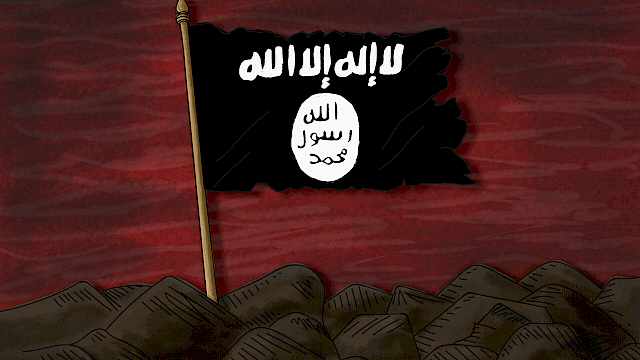
- Icons and symbols in extremism
- The emotional appeal of extremist narratives.
Project resources
Academic Publications
Aristotle’s jihad: Persuasion and rhetoric in Islamic insurgencies
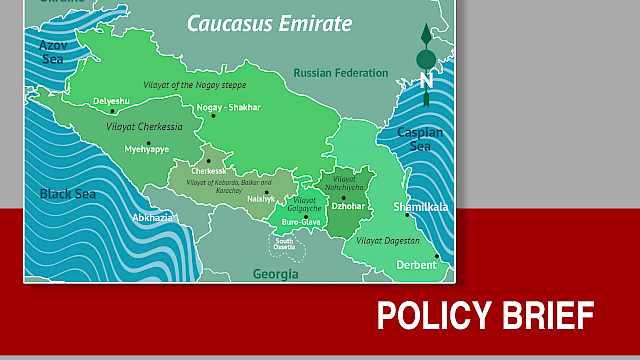
Rhetoric is one of the oldest concepts in politics, but it remains elusive: It is difficult to adequately capture its content, assess components of rhetoric in a methodologically robust manner or examine elements of leadership rhetoric in different settings. Similarly, when considering persuasion in International Relations (IR), there is a tendency to focus on political leaders, such as Western public elites; however, this limits analysis of insurgent leadership and the framing of activism. In this article, we propose an approach for analysing the rhetoric through consideration of each of its three core components: speaker credibility and character (ethos), emotional appeal (pathos) and logic (logos) using an interpretive methodology and rhetorical assemblages, to move from abstract theorisation to practical application. We then apply this approach to a unique corpus of 55 communiqués issued by domestic and foreign leaders involved in the insurgencies in Russia’s North Caucasus and Syria between 1995 and 2017. Our findings support interest in persuasion in IR and illustrate that the analysis of rhetoric employed by insurgent leaders in the North Caucasus and Syria, as well as in violent movements more generally, needs to move beyond considerations of strategy and doctrine, thereby opening up new avenues for research in IR.
Moore, C., Youngman, M., & Copeland, S. (2025). Aristotle’s jihad: Persuasion and rhetoric in Islamic insurgencies. Cooperation and Conflict, 0(0). https://doi.org/10.1177/00108367251364159